Introduction
In the heart of Colorado, Fort Collins stands as a testament to sustainable living and technological innovation, particularly in the realm of Heating, Ventilation, and Air Conditioning (HVAC) systems. This comprehensive article delves into the intricacies of "Fort Collins HVAC," exploring its multifaceted impact on the community, environment, and economy. By the end of this exploration, readers will have a nuanced understanding of how this system influences daily life and the broader implications it holds for future advancements in environmental sustainability and energy management.
Understanding Fort Collins HVAC
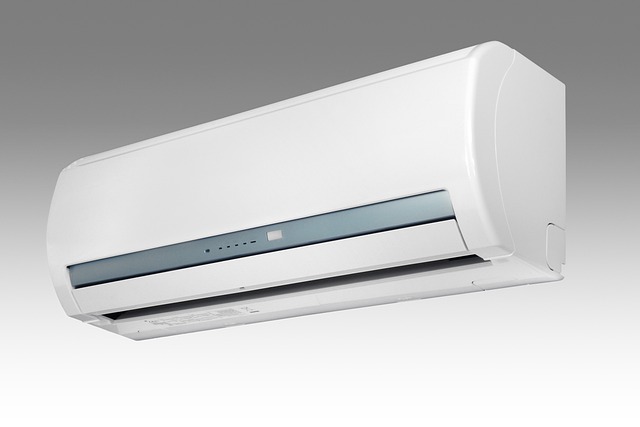
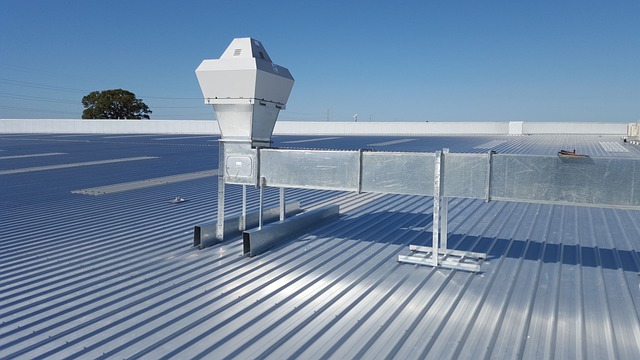
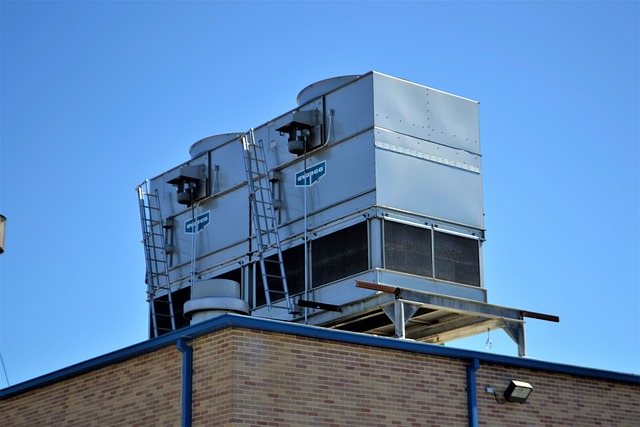
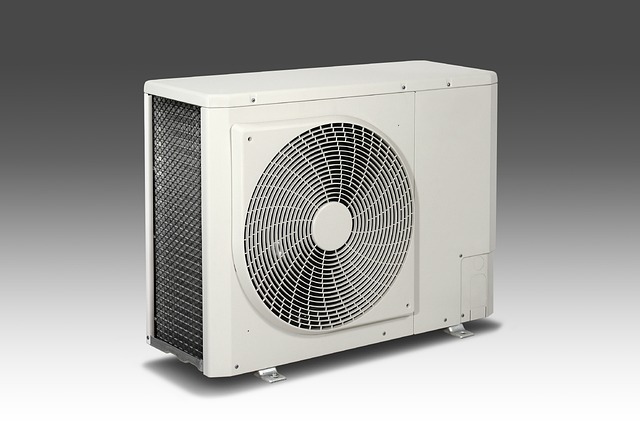
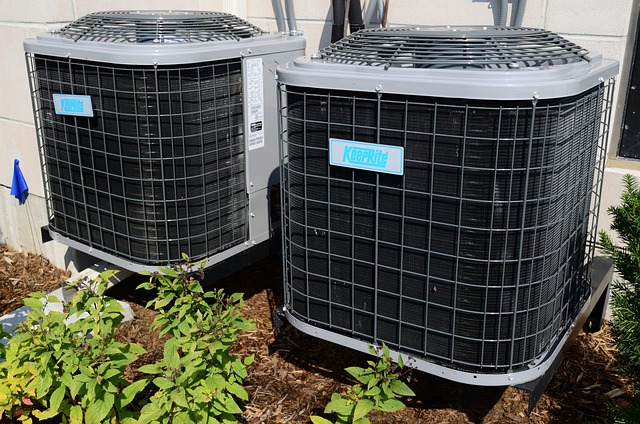
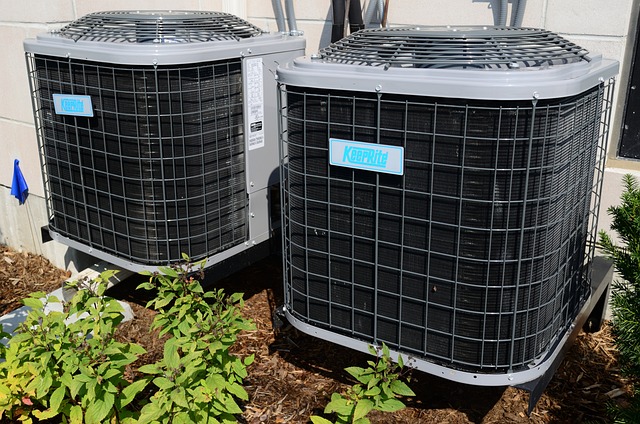
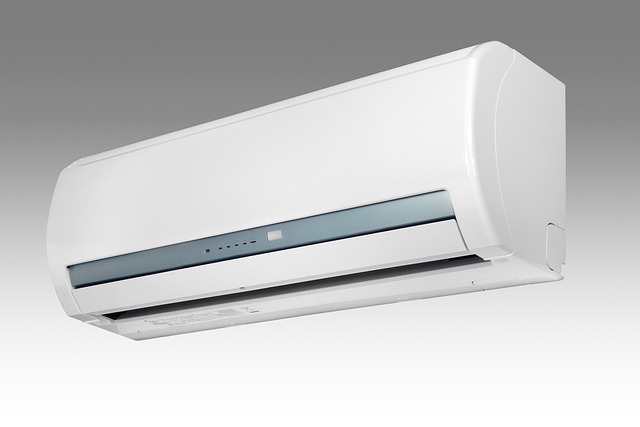
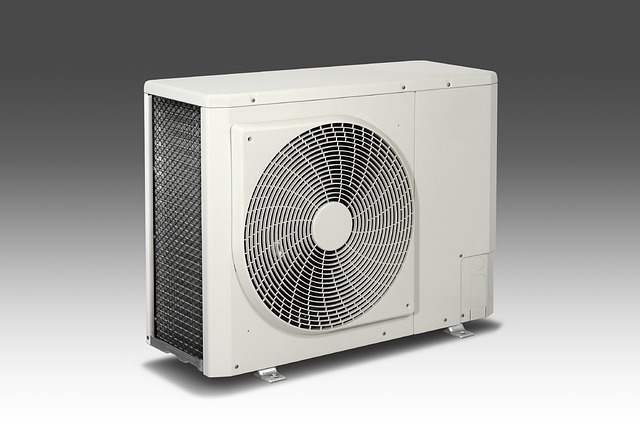
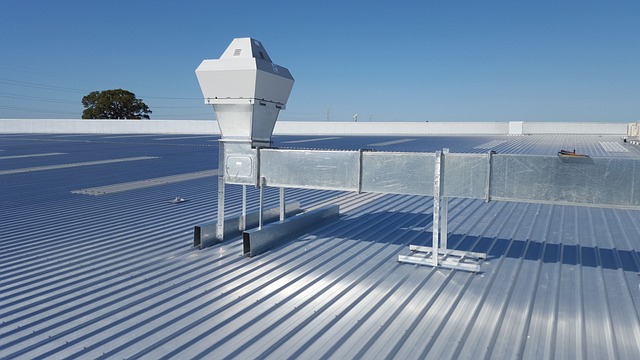
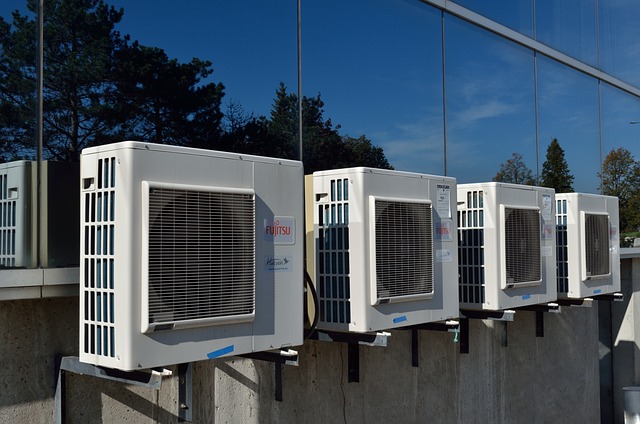
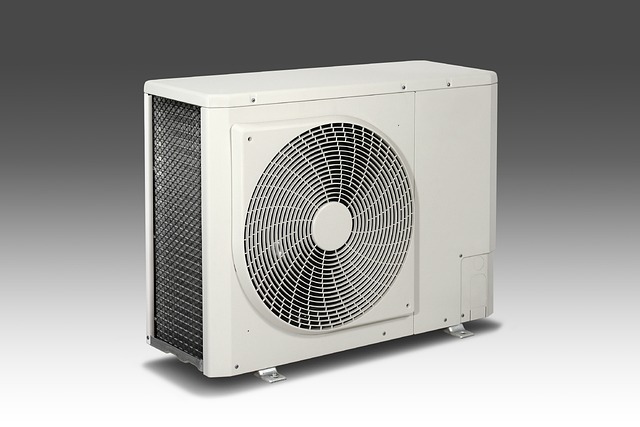
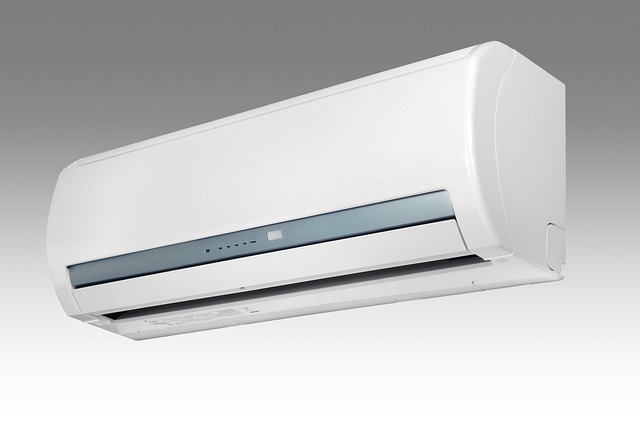
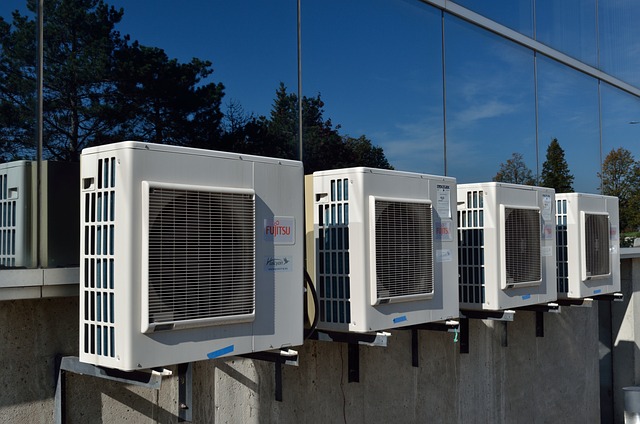
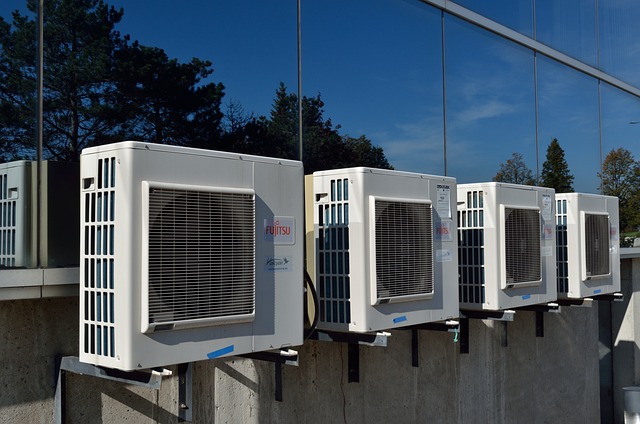
Fort Collins HVAC refers to the integrated systems designed to maintain thermal comfort within residential and commercial spaces, ensuring optimal indoor air quality and energy efficiency. It encompasses a variety of components, including heat pumps, furnaces, air conditioners, ductwork, thermostats, and insulation materials. The historical context of Fort Collins HVAC is rooted in the early 20th century when central heating systems began to evolve into more sophisticated and energy-efficient models.
Fort Collins has been at the forefront of adopting innovative HVAC technologies, reflecting its commitment to sustainability and environmental stewardship. The city's approach to HVAC is not just about maintaining comfort but also about minimizing the carbon footprint and promoting renewable energy sources. This makes Fort Collins a unique case study for understanding the role of HVAC in modern urban settings.
Global Impact and Trends
The influence of Fort Collins HVAC extends beyond local boundaries, impacting global trends in energy consumption, environmental policy, and technological innovation. The world is grappling with the need to reduce greenhouse gas emissions, and Fort Collins serves as a model for how communities can integrate sustainable HVAC practices into their urban planning.
Key trends shaping the trajectory of HVAC globally include the integration of smart home technology, the shift towards renewable energy sources like geothermal and solar power, and the enhancement of system efficiency through advanced materials and AI-driven analytics. Different regions are affected by these trends in various ways, with some adopting them faster than others due to regional climate, available resources, and economic factors.
Economic Considerations
The economic aspects of HVAC systems are multifaceted, influencing market dynamics and investment patterns. In Fort Collins, the HVAC industry is a significant contributor to the local economy, creating jobs and fostering innovation. The role of HVAC in economic systems is critical, as it directly affects energy consumption, operational costs for businesses and households, and overall economic health through its impact on comfort, productivity, and resource management.
Investments in energy-efficient HVAC systems can lead to substantial savings over time, making them an attractive proposition for both residents and businesses. Moreover, the demand for sustainable HVAC solutions has opened new markets and opportunities for entrepreneurs and innovators within the Fort Collins community.
Technological Advancements
Technological advancements in HVAC have been transformative, with Fort Collins at the cutting edge of these developments. Innovations such as variable speed technology, smart thermostats, and improved insulation materials have significantly enhanced system efficiency and reduced energy consumption. The future potential of these technologies includes even more integrated systems that can learn and adapt to user preferences, environmental conditions, and energy prices in real-time.
Advancements in materials science, such as the development of better insulators and heat exchange materials, are expected to further improve the performance and reduce the costs associated with HVAC systems. The integration of Internet of Things (IoT) capabilities into HVAC systems is also a significant trend, allowing for remote monitoring and control, predictive maintenance, and improved comfort and energy management.
Policy and Regulation
Fort Collins has been proactive in establishing policies and regulations that support the adoption of sustainable HVAC technologies. These include building codes that mandate higher energy efficiency standards, incentives for the installation of green HVAC systems, and initiatives to educate homeowners and businesses about the benefits of upgrading their systems.
The legislative framework governing HVAC in Fort Collins is a blend of local ordinances, state regulations, and federal guidelines. These policies not only aim to reduce energy consumption but also promote the use of cleaner energy sources and contribute to the city's sustainability goals.
Challenges and Criticisms
Despite its leadership in HVAC innovation, Fort Collins faces challenges and criticisms related to the adoption and implementation of sustainable practices. These include economic barriers for homeowners looking to upgrade their systems, the need for a skilled workforce to install and maintain new technologies, and concerns about the environmental impact of certain HVAC materials and processes.
To overcome these issues, Fort Collins has implemented various strategies, such as offering financing options for energy-efficient upgrades, investing in vocational training programs, and researching greener alternatives to conventional HVAC components. Encouraging community involvement and fostering a culture of innovation are also key to addressing these challenges head-on.
Case Studies
Several case studies from Fort Collins highlight the successful application of advanced HVAC systems and the lessons learned from these implementations. One such example is the retrofitting of older buildings with geothermal heating and cooling systems, resulting in significant energy savings and improved comfort for residents. Another case study involves a local business that adopted a comprehensive smart HVAC system, leading to reduced operational costs and enhanced customer satisfaction.
These real-world applications demonstrate the practical benefits of adopting sustainable HVAC solutions and serve as models for other communities considering similar upgrades.
Conclusion
Fort Collins HVAC represents a holistic approach to energy management, comfort, and sustainability. The city's dedication to innovation and its proactive policies have positioned it as a leader in the global landscape of HVAC technology. As the world grapples with the challenges of climate change and energy scarcity, Fort Collins stands as an example of how forward-thinking policies and technological advancements can create a sustainable and comfortable urban environment. The future of HVAC in Fort Collins—and indeed globally—is poised to be increasingly smart, efficient, and sustainable, driven by the lessons learned from this unique community.